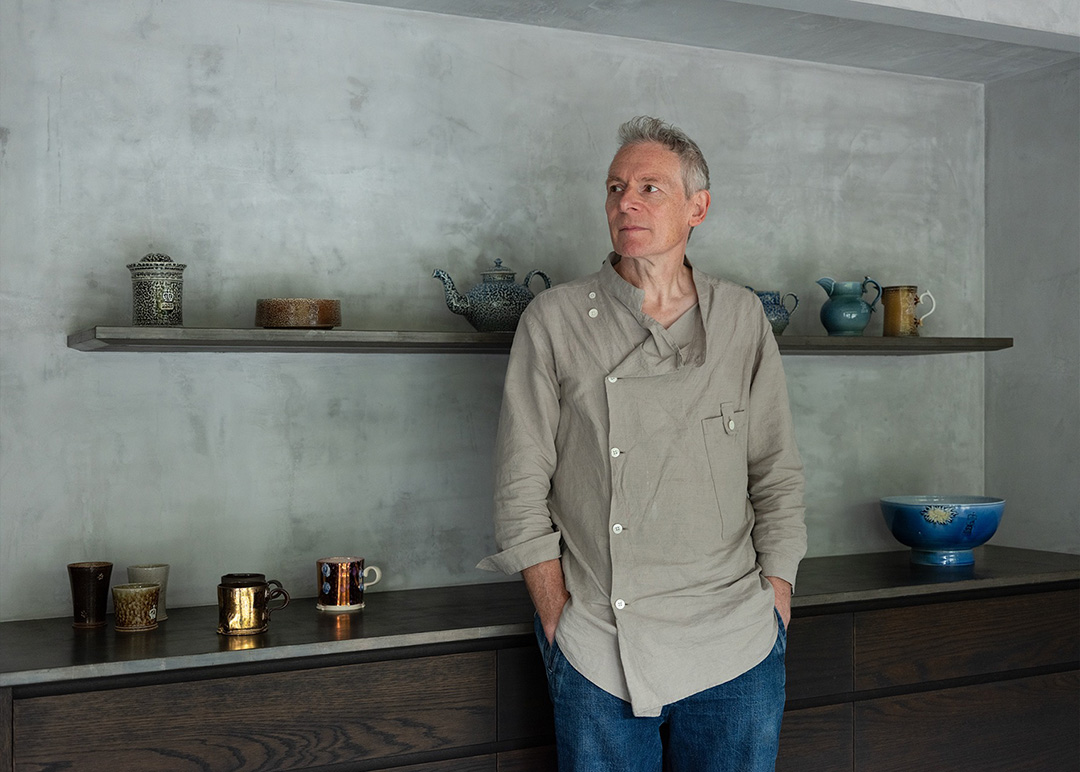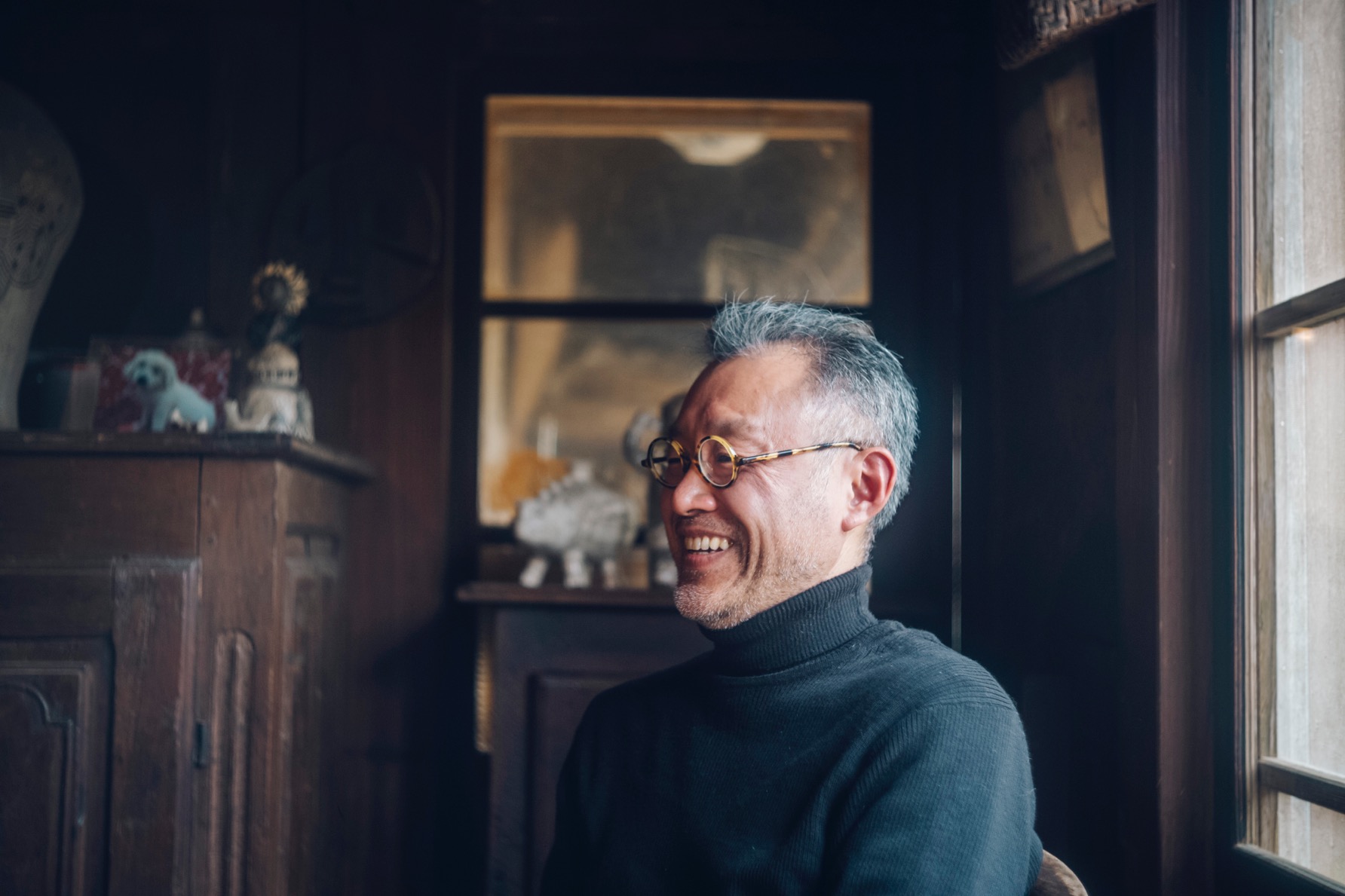
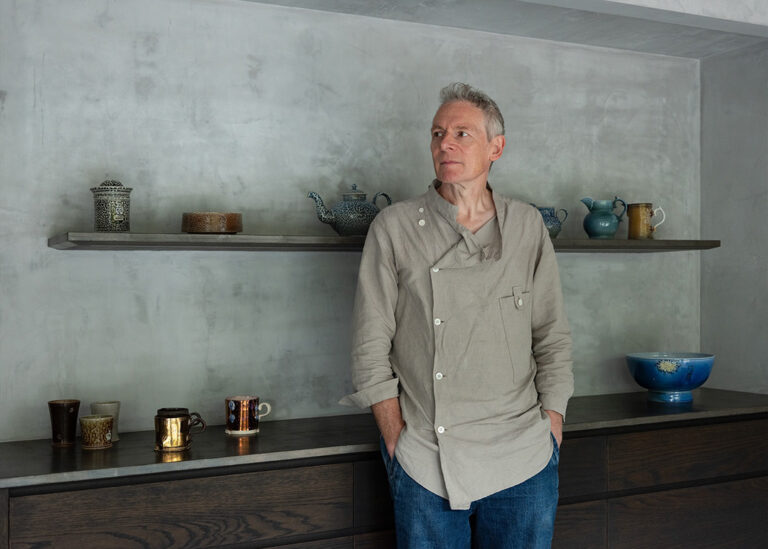
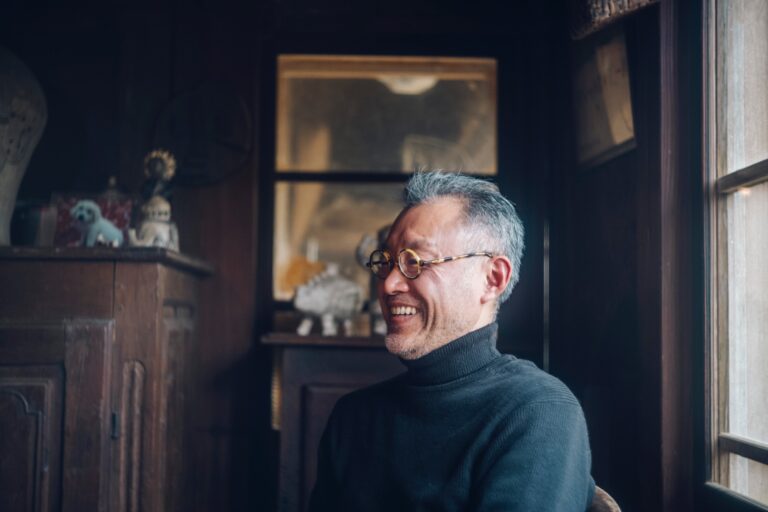
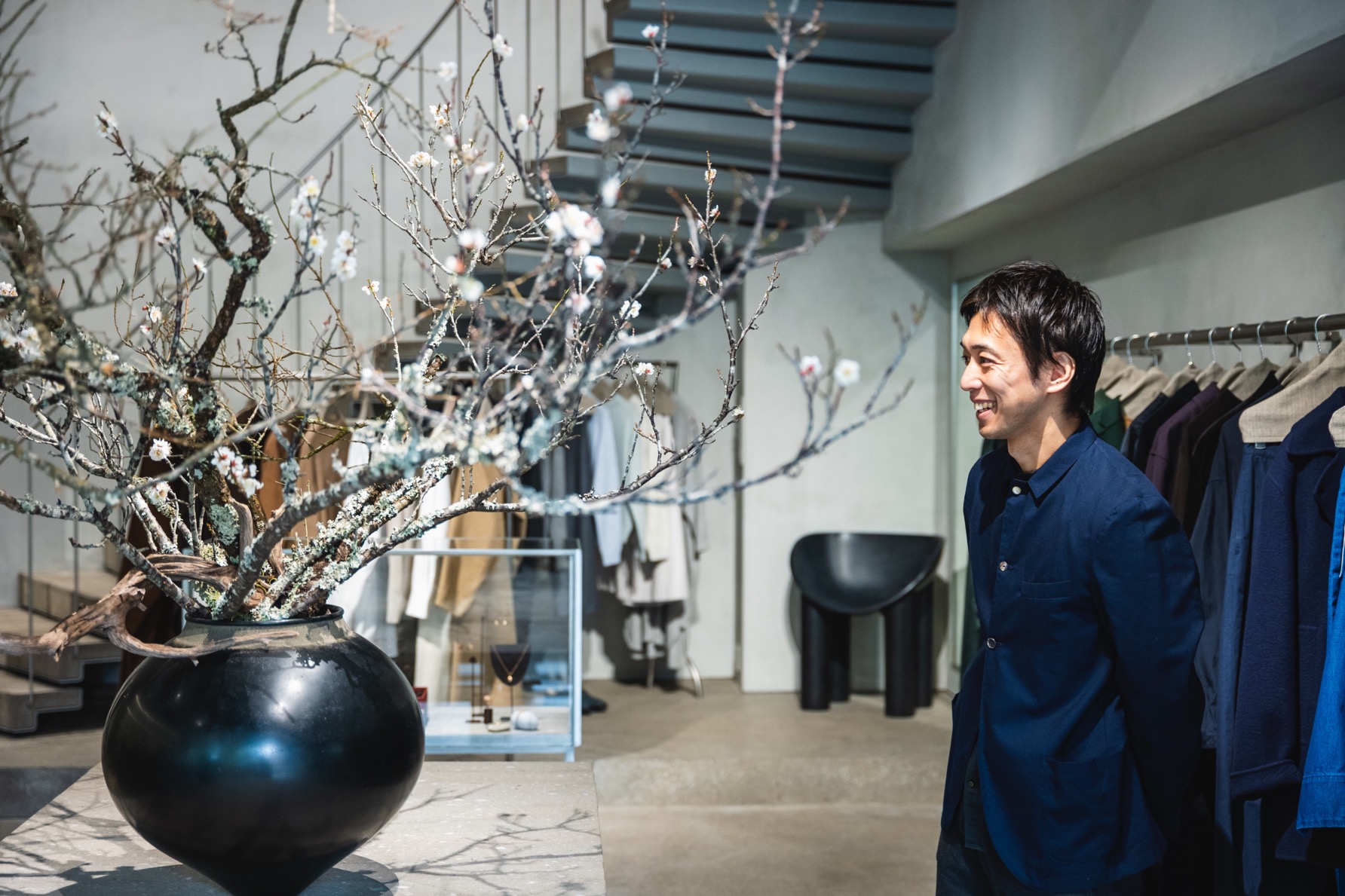
After graduating from university, Anzai worked at a company while searching for his direction. In his late twenties, he turned to ceramics. He studied the fundamentals at Kyoto Traditional Crafts College before moving to the UK, where he expanded the scope of his practice in an environment shaped by highly individual artists. After returning to Japan, he lived in Izu, deepening his technique through contact with the work of ceramic artist Taizo Kuroda. Since establishing his own studio in 2010, he has continued to pursue a distinctly personal expression.
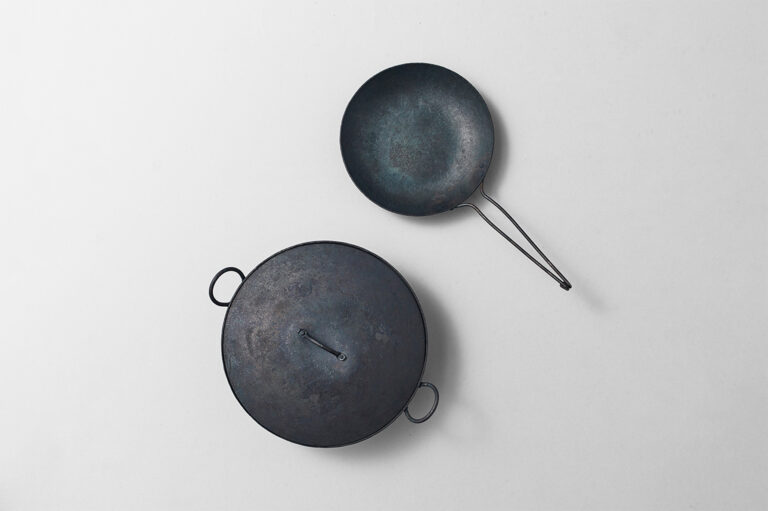
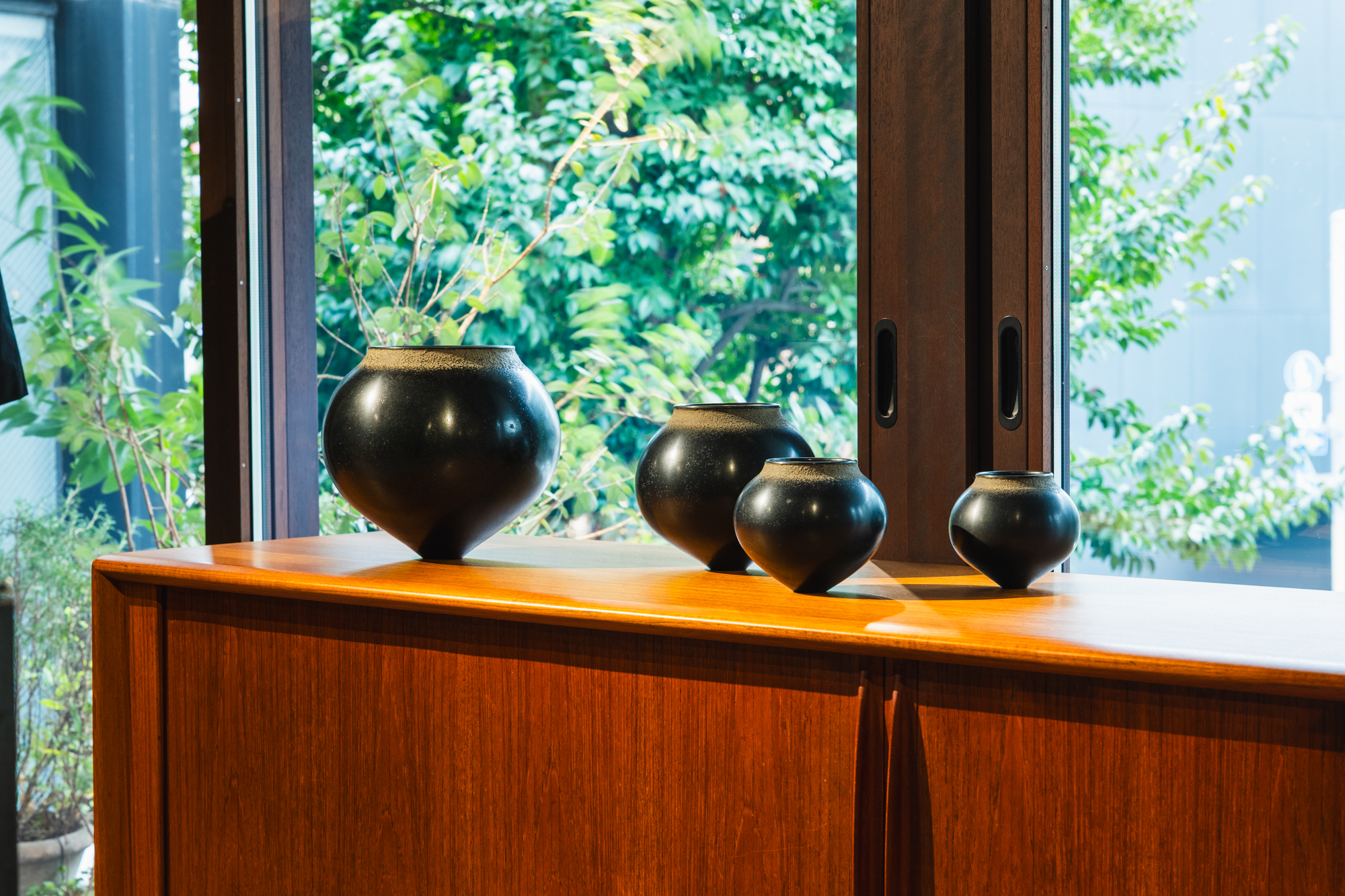
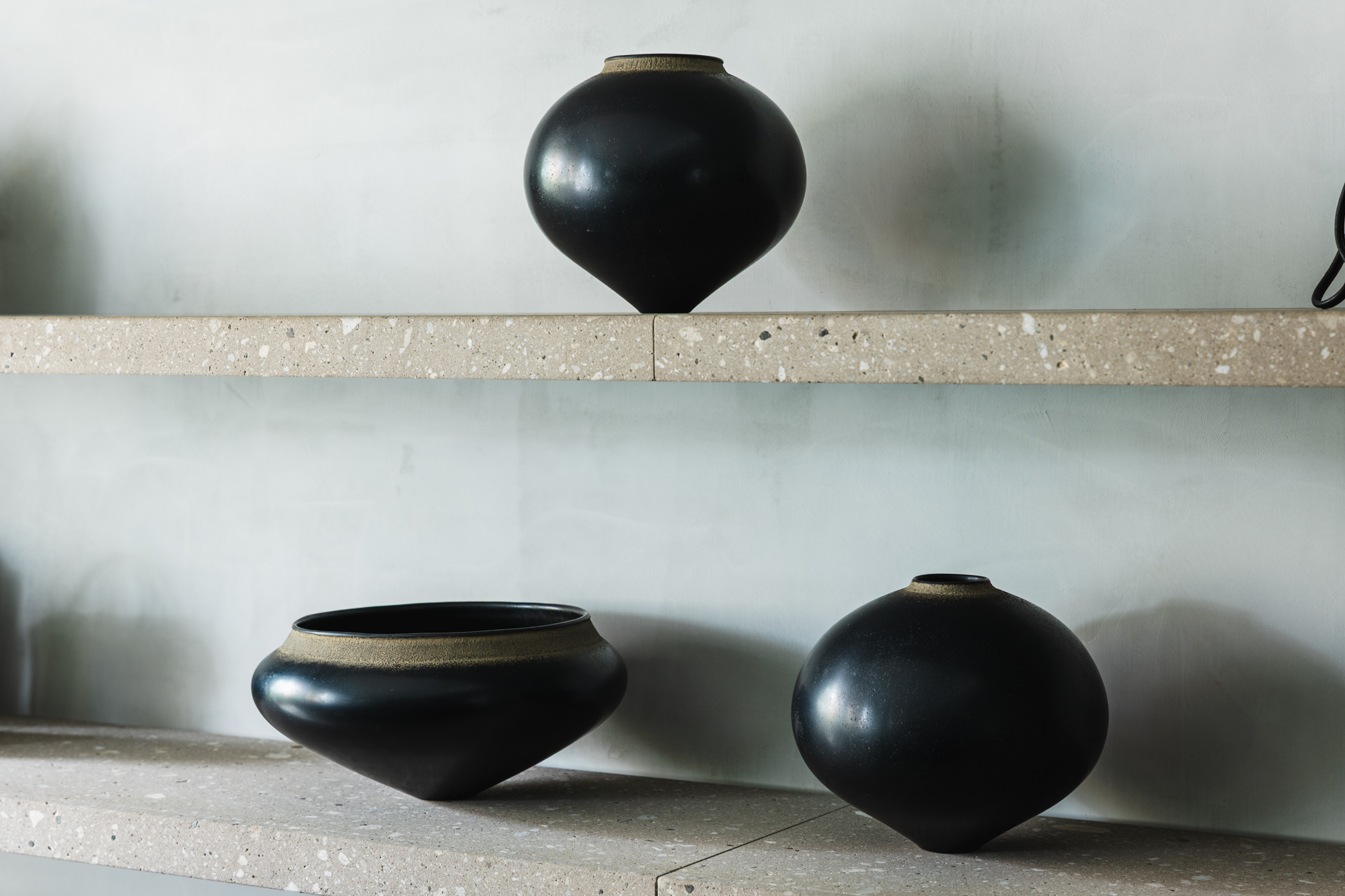
In his process, he applies clay mixed with urushi (lacquer) and then carefully polishes the surface, repeating this multiple times. Through this repetition, black pieces emerge with a texture that holds depth and quiet luminosity.
First Solo Exhibition — Creation as Existence
- How do you feel now that you’re holding your first solo exhibition at ARTS&SCIENCE?
-
Anzai (A)
Frankly, I’m very happy. I’ve had a relationship with ARTS&SCIENCE since around 2016, when HIN Kyoto first opened, so there’s a real sense of, “We’ve finally made it happen.” Various production constraints and overlapping exhibitions elsewhere meant it took time, but it has at last come to fruition. It was always encouraging that Sonya and the staff would come to see my exhibitions each time. I had long hoped that I might one day work together with ARTS&SCIENCE, and this time it truly feels as though that wish has been realized in a natural way.
-
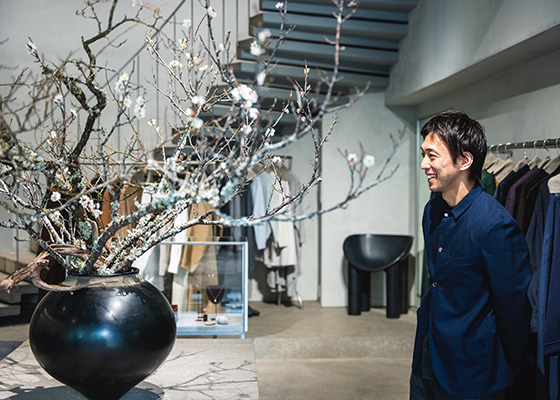
- This solo exhibition was held at A&S Aoyama. How do you see presenting your work in a fashion space?
-
A
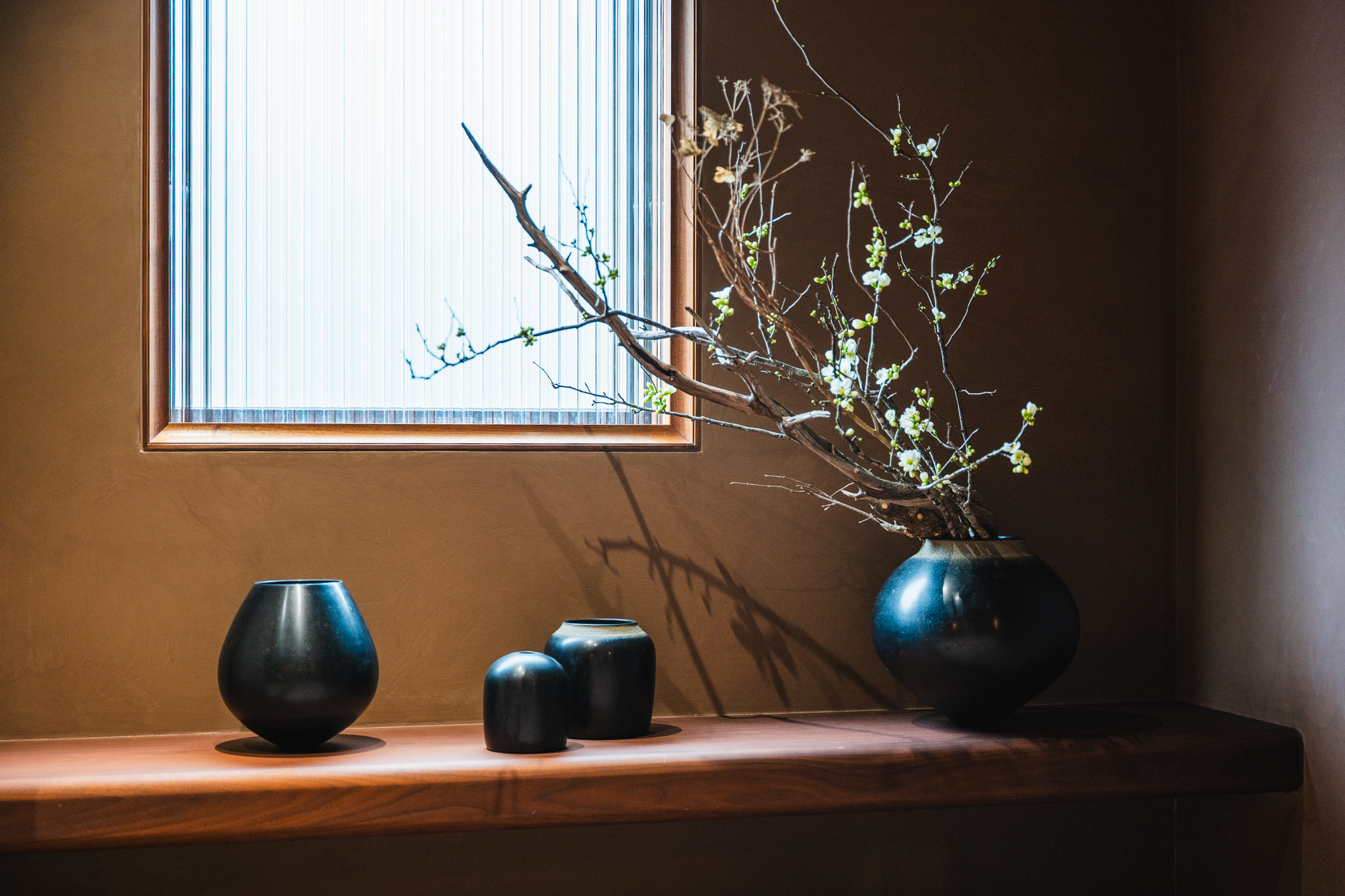
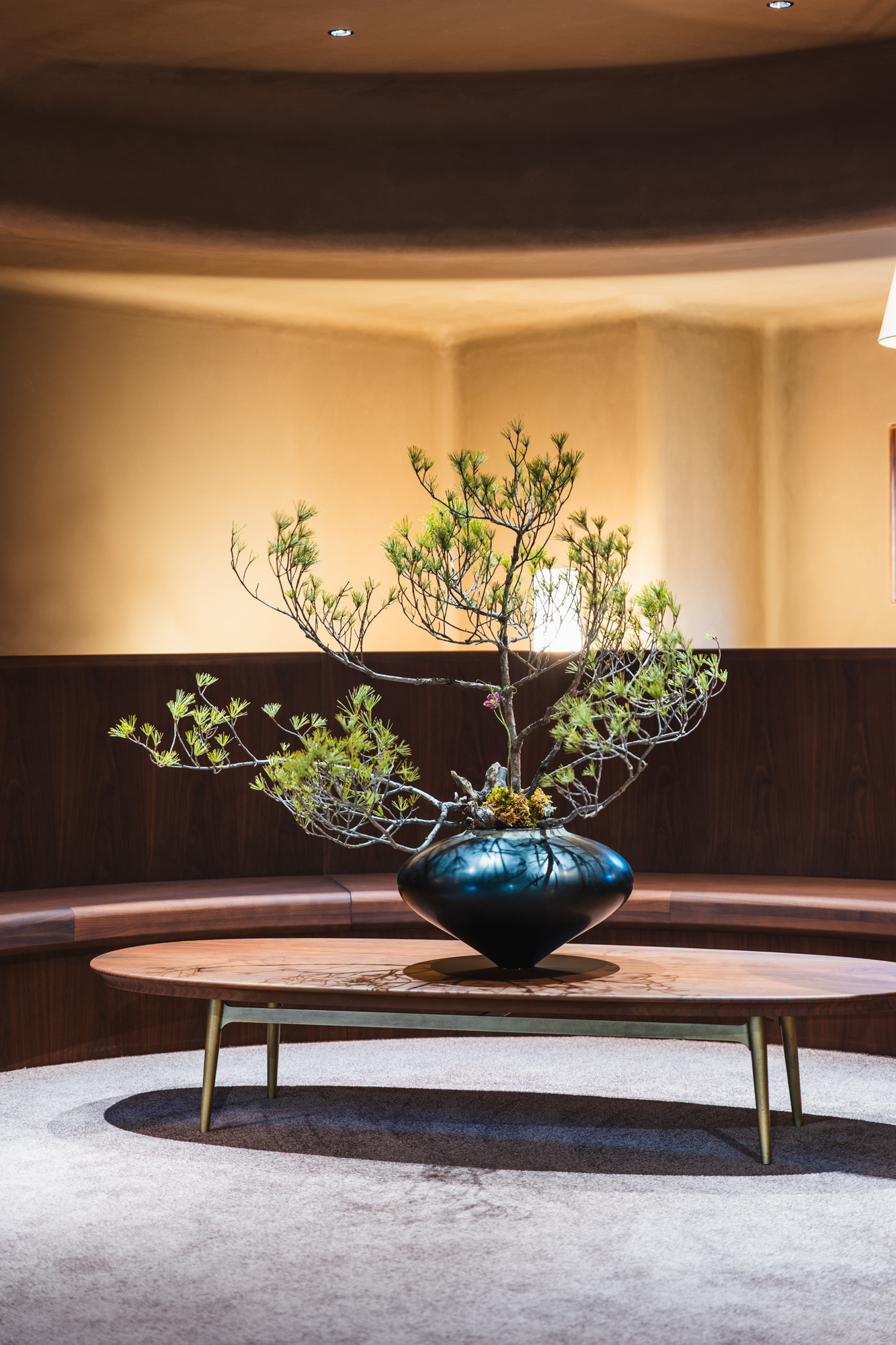
Rather than being viewed simply as functional vessels—as tools to be used—I hoped they would be seen as a single presence within the space. It’s perhaps similar to placing your favorite things, one by one, in a place you’re personally drawn to.
For this exhibition, I created many works that can also function as flower vessels. I’ve previously produced a great number of such pieces at the request of hotels and restaurants. However, in those settings, flowers are not necessarily arranged in them at all times. That experience led me to feel that, rather than assuming flowers as a given, each piece must first stand firmly on its own as an independent work. Even with nothing in it, the work itself should feel complete and self-sustaining. That is something very important to me.
-
- You once mentioned that flower vessels are relatively easy to make.
-
A
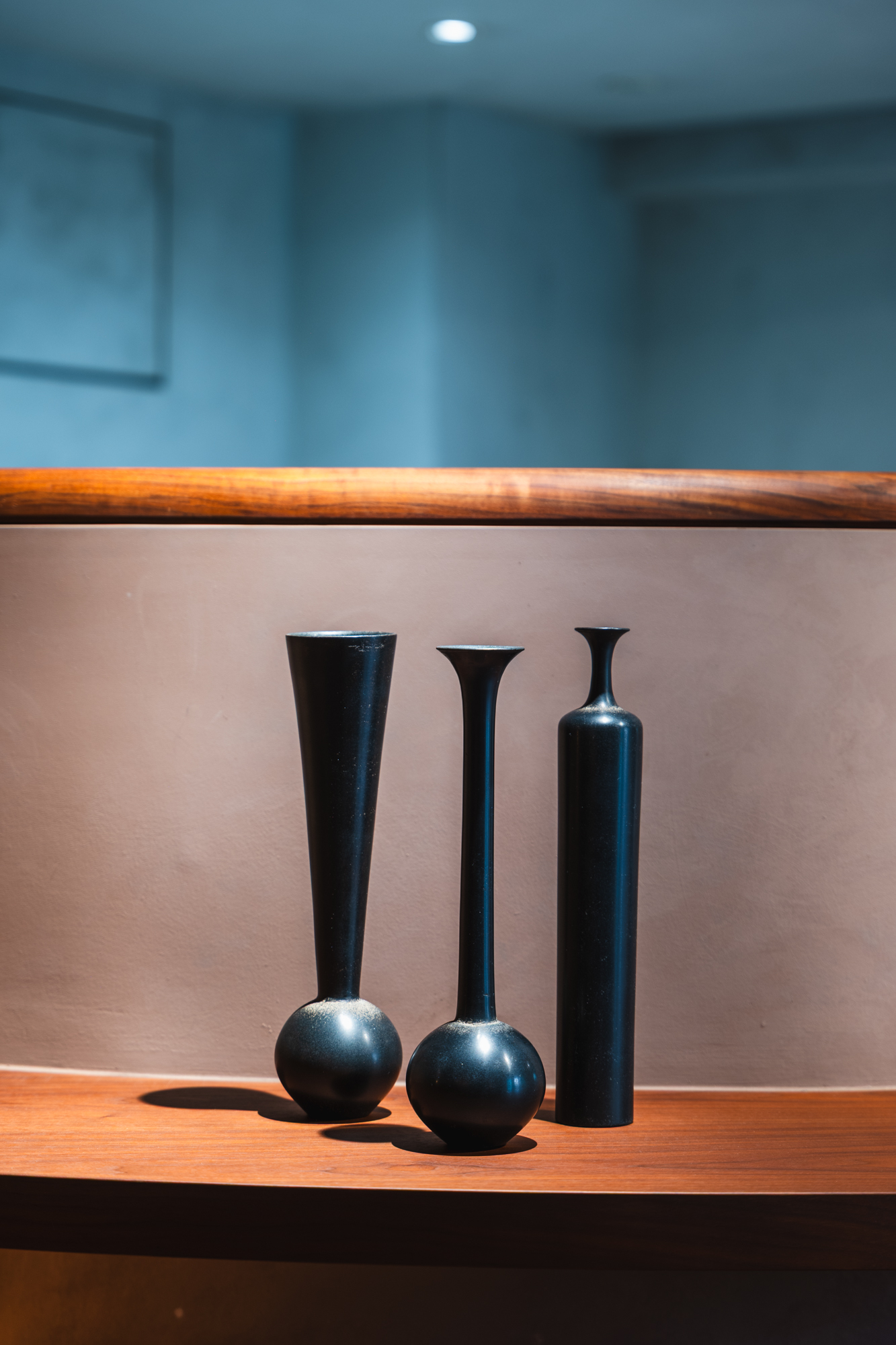
In the sense that the form is easier to bring together, yes. The structure that flows from the foot to the shoulder and then to the mouth allows for subtle adjustments to be made to each individual part. If I were to compare it to clothing, it’s less like finishing with a single pair of trousers and more like refining the overall balance by combining a shirt and a jacket. That said, the process itself is by no means simple.
-
On Making — Forms Without Discomfort
- What do you consider most important in your making?
-
A
I value the absence of discomfort. Round things feel soft, square things feel solid. Red feels warm, and blue feels cool. I am always attentive to whether a form aligns with these instinctive human sensations.
Rather than constructing forms through knowledge alone, I prefer to make small, gradual adjustments in response to the senses we are born with. By continuing to make forms that do not carry discomfort, one by one, my work slowly comes to express who I am.
-
- What does individuality mean in your work?
-
A
I believe individuality is something that can only emerge from the person who makes the work. No matter how much a piece is praised, if it can be found at the shop next door, it loses its meaning. There must be something that makes someone feel, “I can only get this here.”
True individuality is something that reveals itself even when one tries not to show it. I continue pursuing forms that feel free of discomfort within myself—perhaps that is what eventually becomes something only I can make.
-
- Do you have an ideal image or an artist you aspire to?
-
A
There are many artists I respect, but I am not trying to become someone else. I can only be myself, and I can only give my full effort to what is in front of me. Beyond that, I hope to one day see a landscape that no one has yet seen.
-
Black Expression — Accumulation of Trial and Error
- The deep, distinctive black in your work is very striking. Is this related to tōtai urushi (lacquered ceramic core) techniques?
-
A
I don’t mind if people describe it that way, but it feels somewhat different from what many people imagine when they think of “applying lacquer to pottery.” To me, the process feels closer to working clay into the ceramic surface. In a sense, the lacquer functions as an adhesive layer. Since there is no exact term to describe the technique, I usually explain it by describing each step of the making process
-
- You also made white works in your early period, but your work today is centered on black expression. Was there a particular turning point?
-
A
I paused my work once during the year of the disaster. At that time, I began to feel that what I had been making may have relied too heavily on technique.
Around the same period, I encountered works created with 3D printers at a museum, which left a strong impression on me. I felt that there would eventually be a time when machines might surpass human hands, and that it might not be possible to continue relying on technique alone. That realization made me feel that I needed to create something with a more fundamental kind of strength.
The works I make today emerged from that process of trial and error. Rather than choosing black as a starting point, I arrived at it through searching.
-
- You have consistently worked with black expression. Has there been change within that continuity?
-
A
Even when I am making something and feel it is the best possible version at that moment, that sense changes the following year. In the past, the range of change was probably wider. Recently, the degree of fluctuation has become smaller, but renewal continues.
When placing older works next to newer ones, I sometimes make adjustments so that the older pieces sit in dialogue with the new works.
-
Toward the Future — A New White
- Finally, could you tell us about the future?
-
A
I will turn fifty in 2030. It will likely be a turning point, both physically and in terms of technique. The period during which I can create large-scale works is naturally limited. I have been grateful that exhibition opportunities have continued up to now, and at this point I would like to pause and quietly reflect on my own process of making. I would also like to have a little time to recharge.
For the past few years, I have been working on white pieces. I have used white before, but this feels different — a new expression of white. I cannot yet explain in words what it will become, but I hope to present it someday.
-
PROFILE
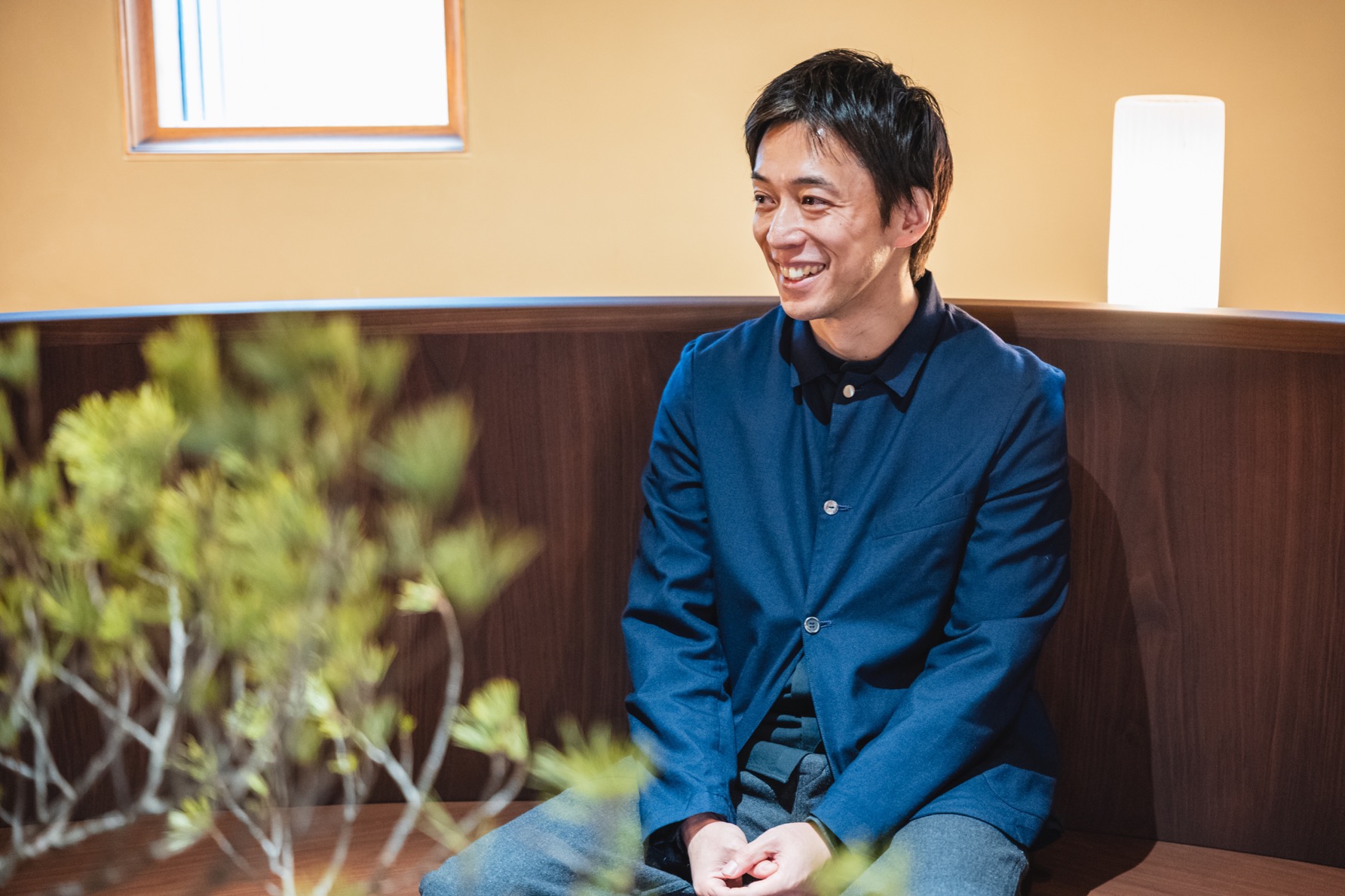
Kenta Anzai
Born in 1980, Kenta Anzai spent some time in the corporate world before turning to pottery and establishing his own kiln in 2010. Anzai’s distinctive black works are achieved through the process of layering lacquer, which is mixed with soil and used like glue, followed by polishing. His works are a fusion of deep color, sophisticated texture, and formal beauty.
Photos by Tomo Ishiwatari
Floral decoration by Mario Hirama