




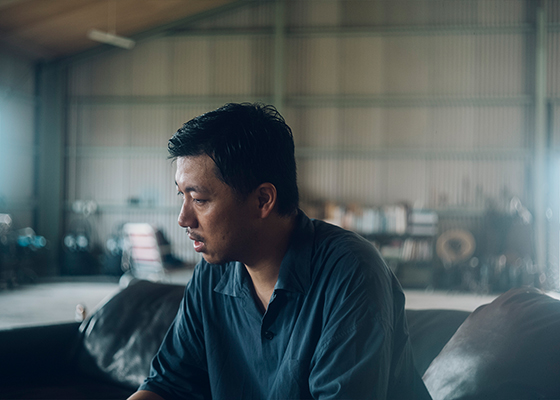

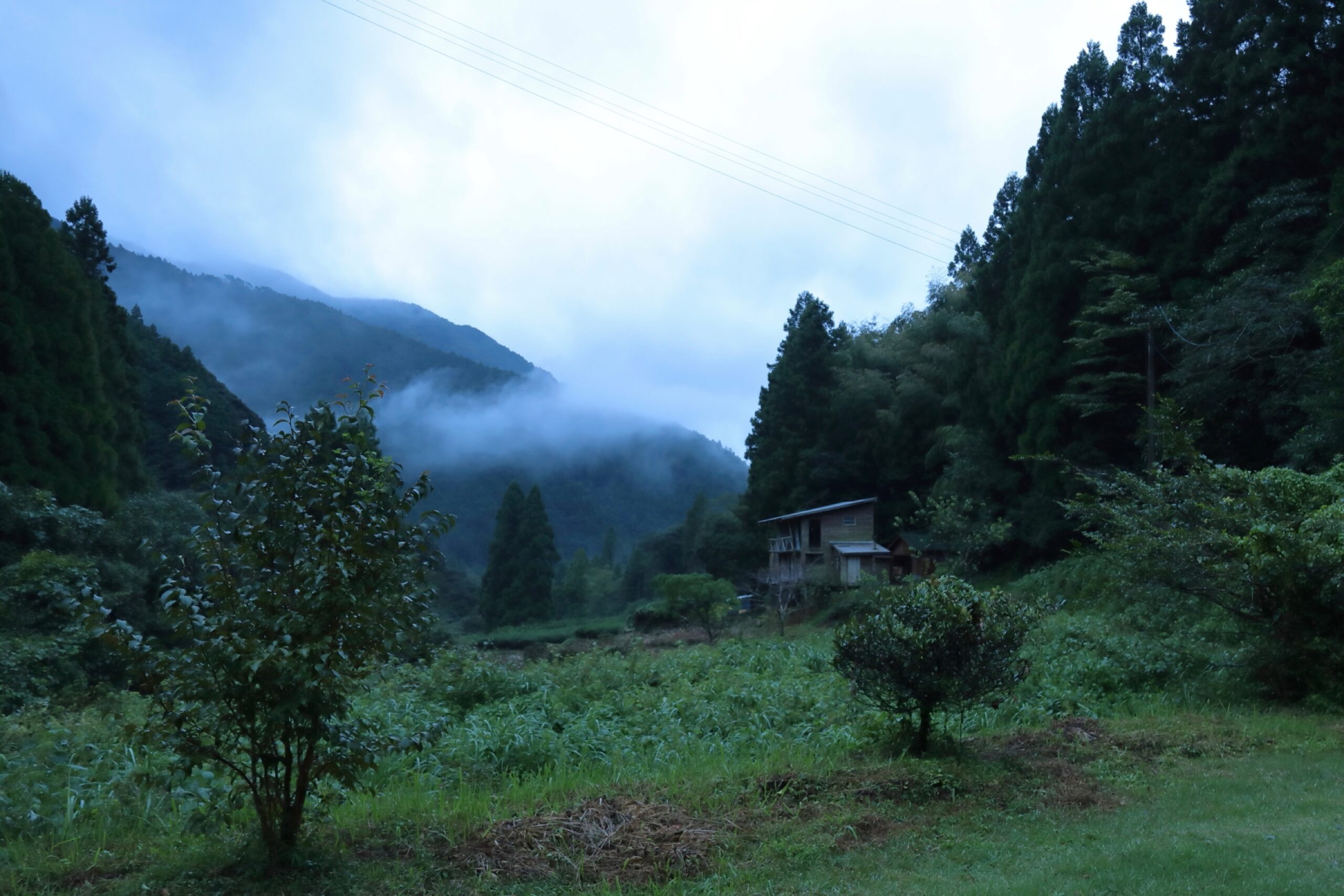
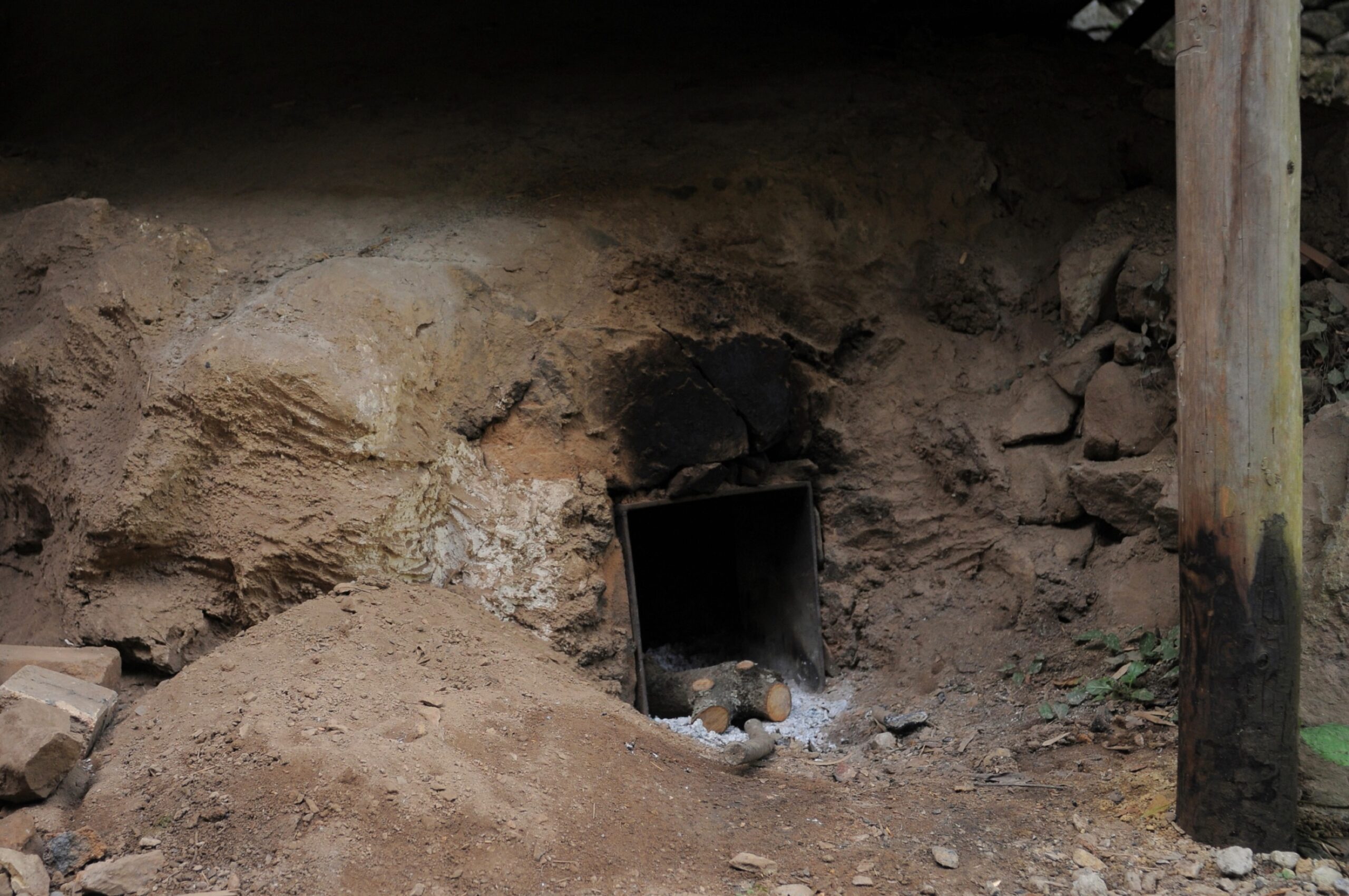
Shimomoto’s workshop is nestled in the mountains along the upper reaches of the Kagami River in Kochi City. At 23, he established this place aspiring to become a charcoal burner; the site itself sits on land where his grandfather once made charcoal. The charcoal kiln he inherited is still in use today, serving to smoke bamboo for his creations.
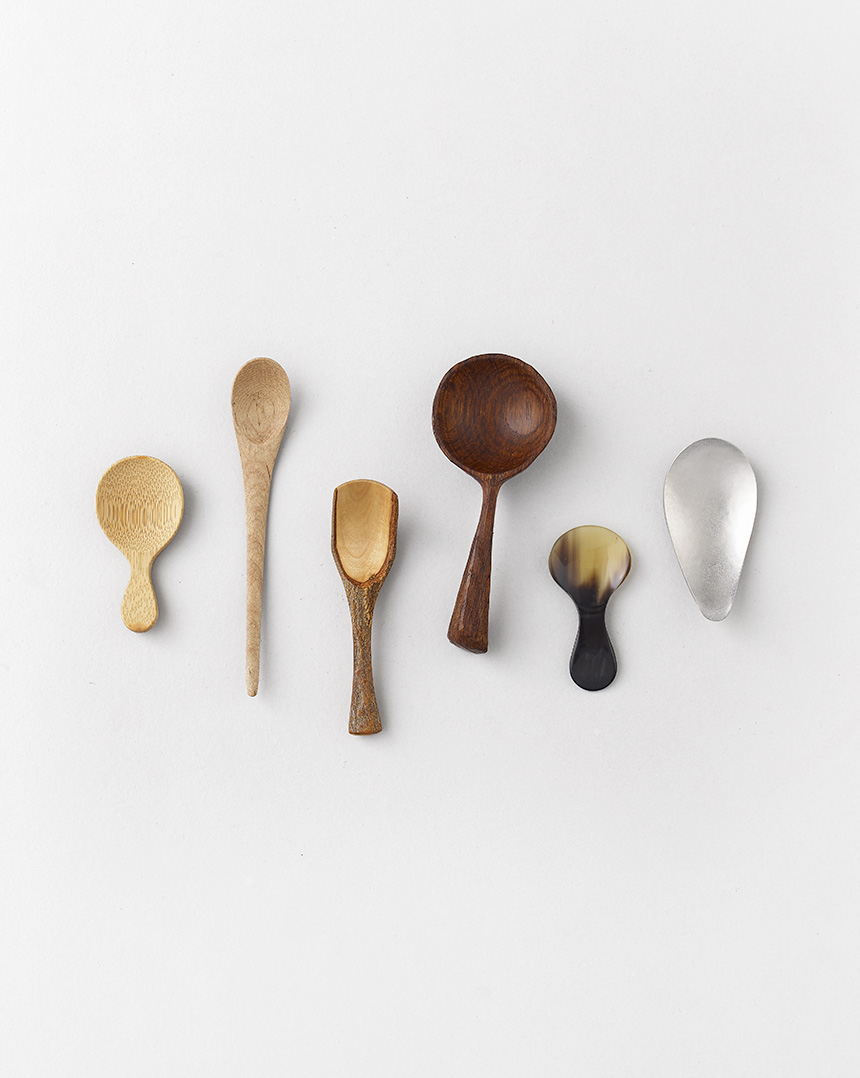
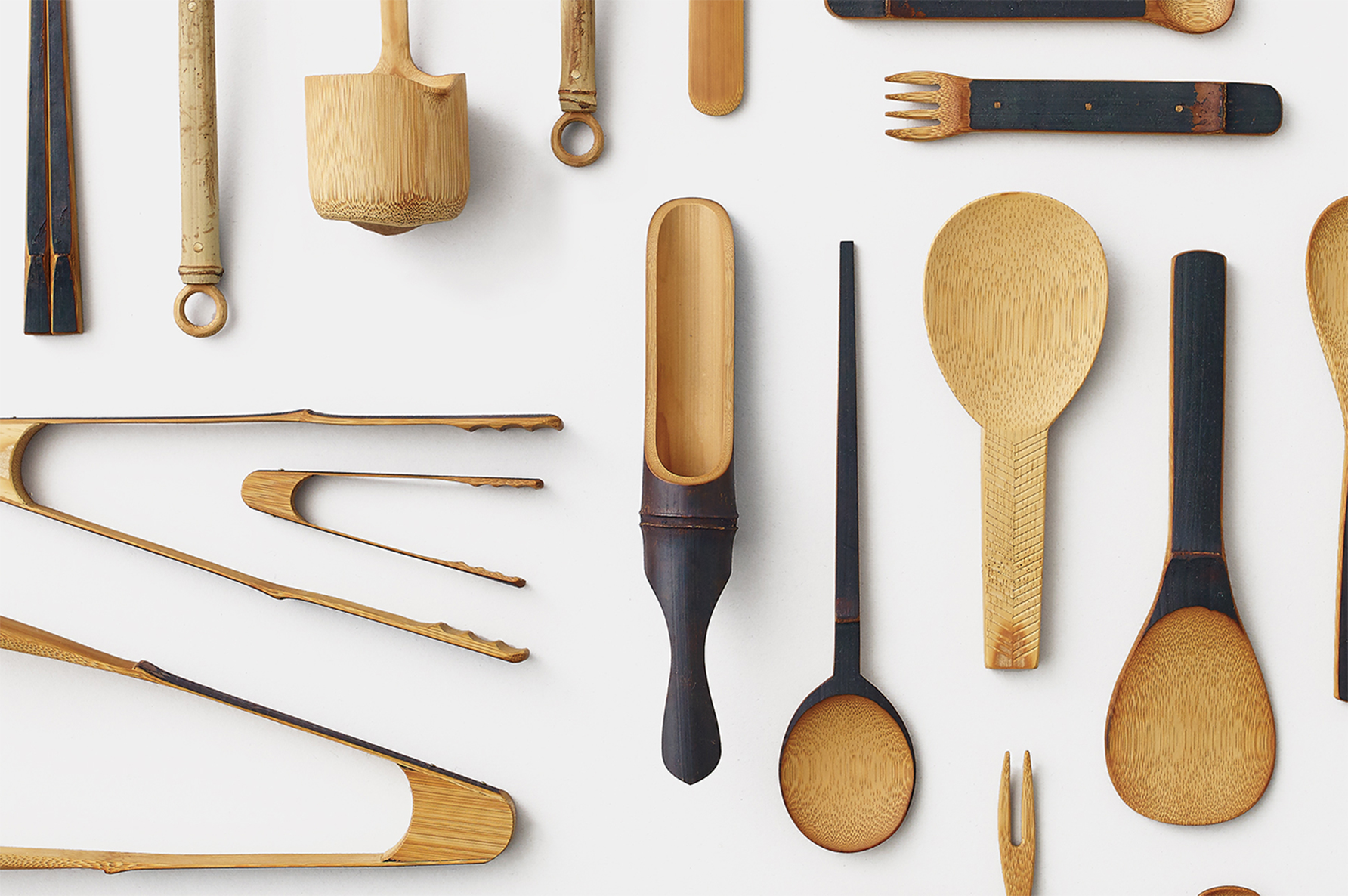
His tool-making began simply, crafting chopsticks and spoons from leftover bamboo while tending the kiln. Drawn to bamboo’s familiar yet restrained character, he gradually turned his full attention to the material itself. Over time, bamboo became central to his work, transforming into functional objects for daily life.
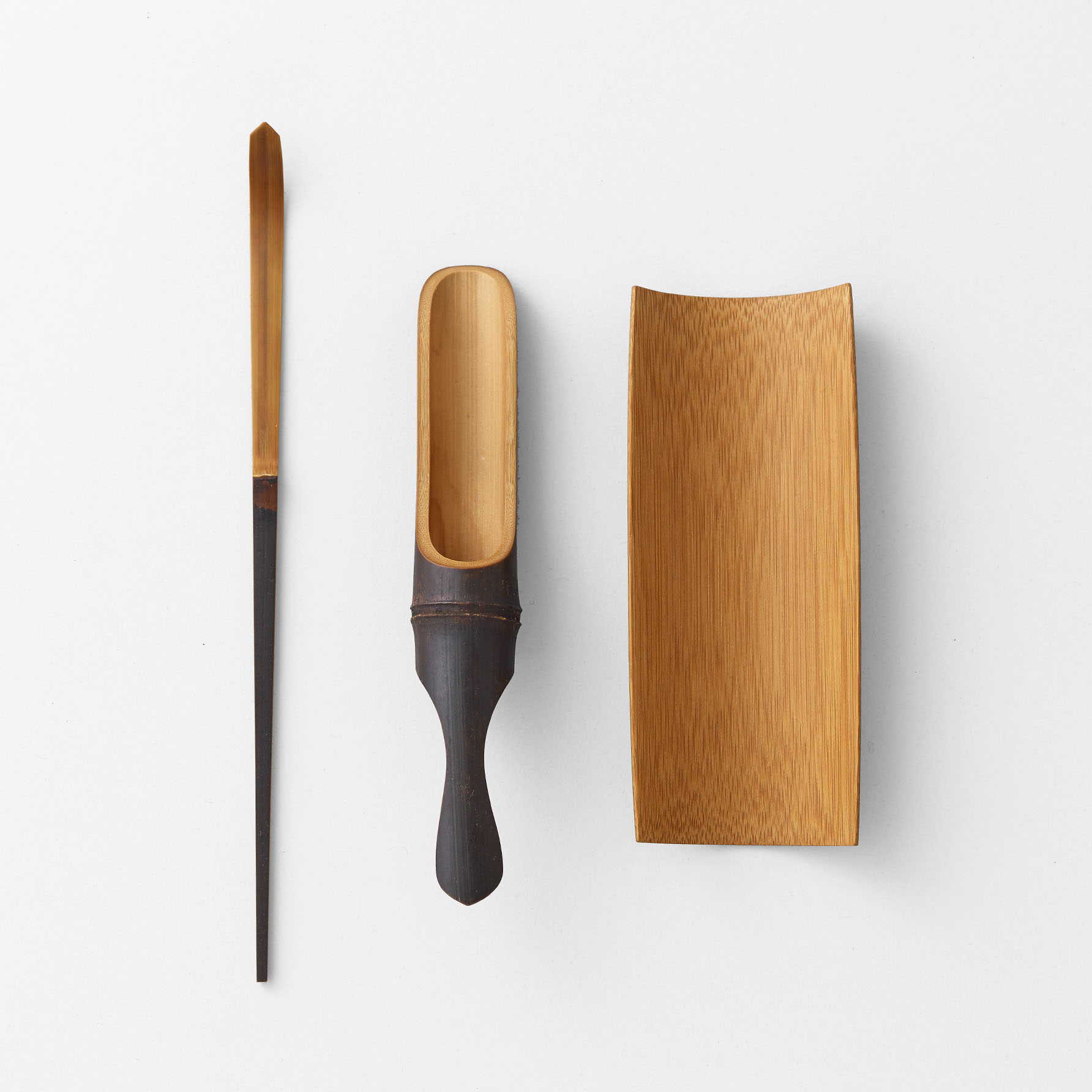
Production begins with bamboo harvested from abandoned groves. The harvested stalks are heat-treated and then smoked in the kiln for about a week. This thorough drying enhances durability, while the exterior takes on a deep, lustrous black, creating susutake.
Shimomoto values not only visual beauty but also the tactile experience and functionality of each piece. Every piece of bamboo is used to the fullest, with scraps repurposed as fuel. In response to the way abandoned bamboo groves have come to be regarded as a form of environmental damage, he seeks to discover new value in bamboo, transforming it into something that lives on within everyday life. His work embodies a deliberate intention to coexist with nature.
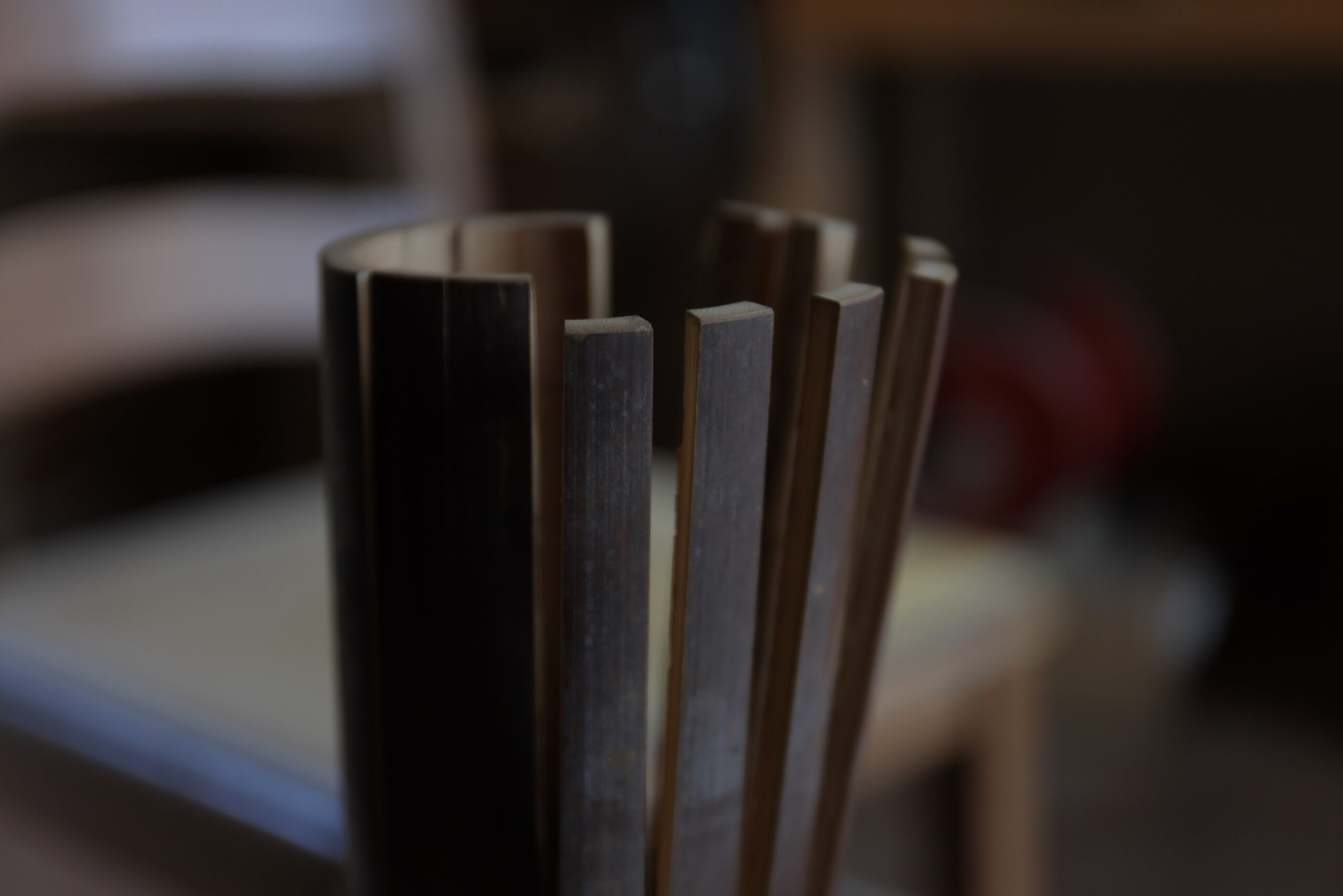
Shimomoto began producing individually in 2009 and established TAKETO in 2022. He now works with a small team, balancing the personal touch cultivated over years of individual practice with the broader possibilities of collaborative creation.
This exhibition brings together tools for daily living made from a wide variety of bamboo at A&S Zaimokuza. We invite you to take this opportunity to view them in person.
PROFILE
Born in 1978 in Kochi Prefecture. He is affectionately known as “Ippo,” a play on an alternate reading of the kanji in his given name. At the age of 23, he established a charcoal kiln in Kagamiyoshihara, Kochi City, a place connected to his grandparents, and began working as a charcoal maker. The pieces he created alongside his charcoal production gained recognition, and at 31 he shifted to working as a bamboo craftsperson. He harvests bamboo himself, smokes it to prepare his materials, and creates tools for everyday life.